


Product Update
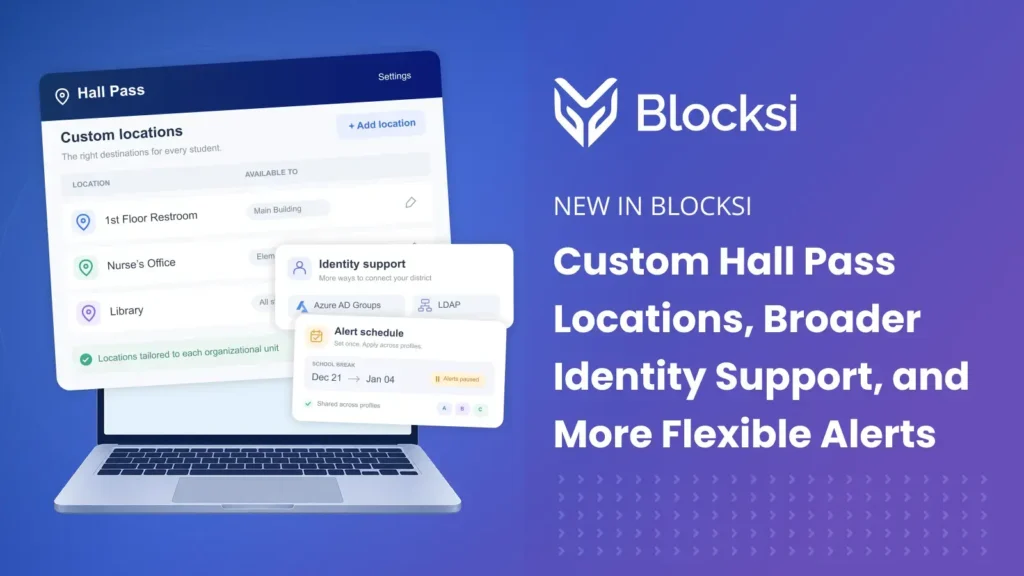
What’s New at Blocksi: Custom Hall Pass Locations, Azure AD Groups, and More
New from Blocksi: custom Hall Pass locations, Azure AD and LDAP support, streamlined alerts, and more Hall Pass and Student Safety visibility.
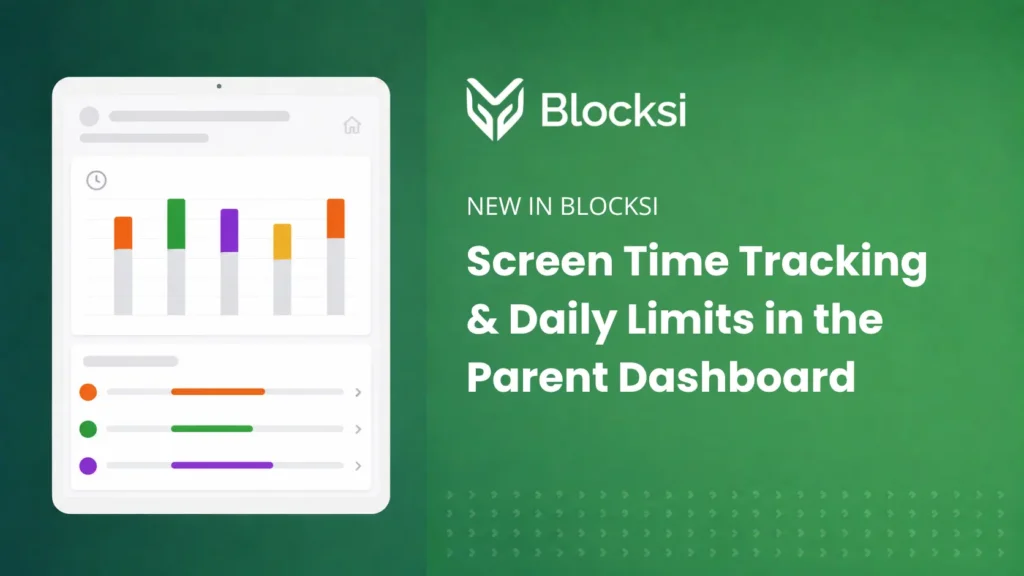
Screen Time for Parents: See and Manage Your Child’s Chromebook Use
See how much time your child spends on their school Chromebook, in school and out, and set daily limits — now live in the Blocksi Parent Dashboard.
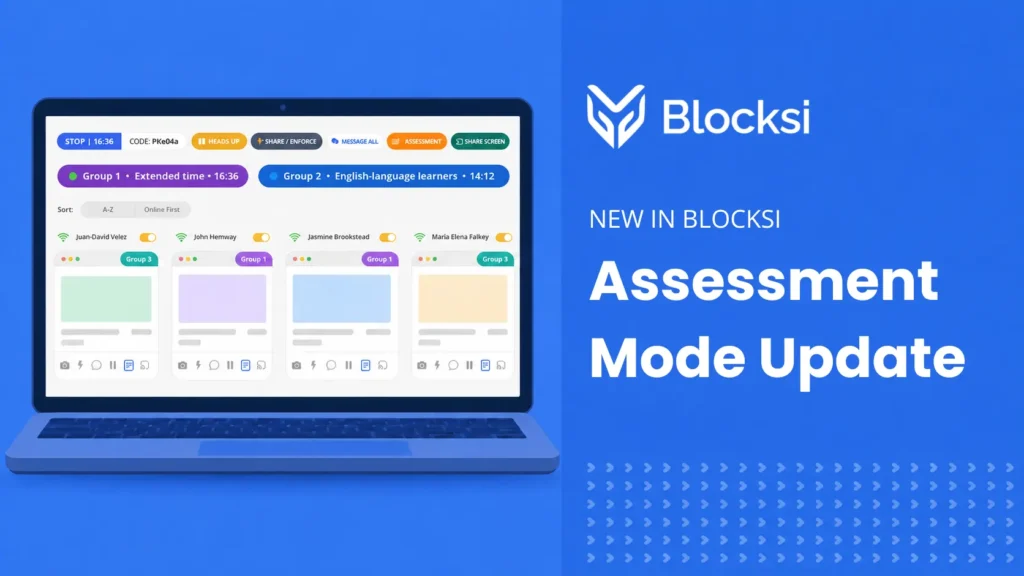
Assessment Mode Update: Extended Time, Live Group Monitoring, and More
New in Blocksi: run assessments with per-group time controls, transfer still-working students to their next class, and import or export assessment presets.
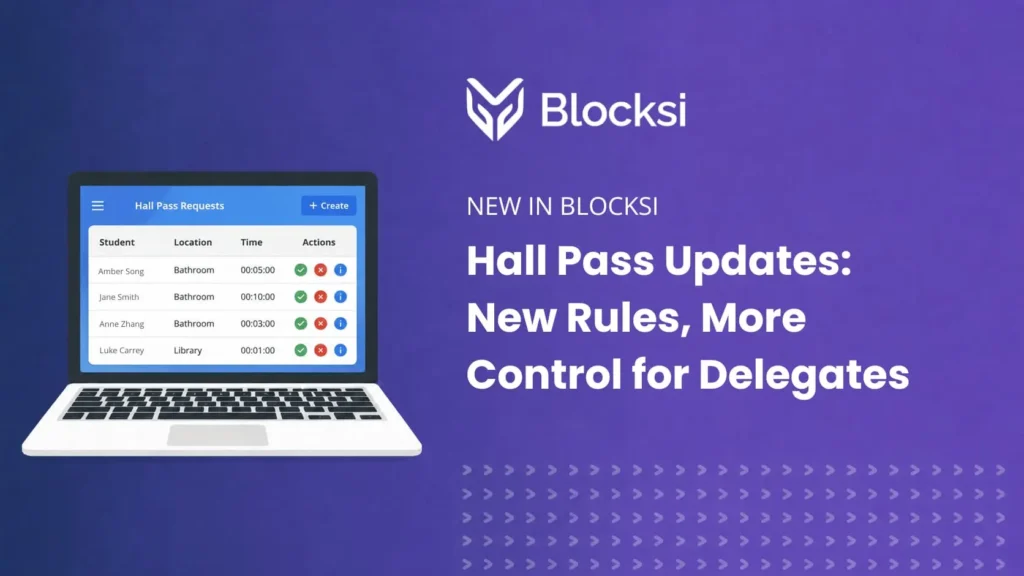
Hall Pass Updates: New Rules, More Control for Delegates
Blocksi’s Hall Pass rules now build around location and student, with capacity limits, auto-approval, exemptions, and school-scoped controls for delegates.

What’s New at Blocksi: macOS Filtering, AI Hub Additions, and Classroom Controls
Blocksi’s latest updates include macOS filtering updates, Brisk Teaching in the AI Hub, new controls for admins and teachers, and more.

New Integration: Blocksi Now Supports Wonde
Blocksi now integrates with Wonde, the school data platform used by 30,000+ schools globally. Sync teachers, classes, and parent accounts.
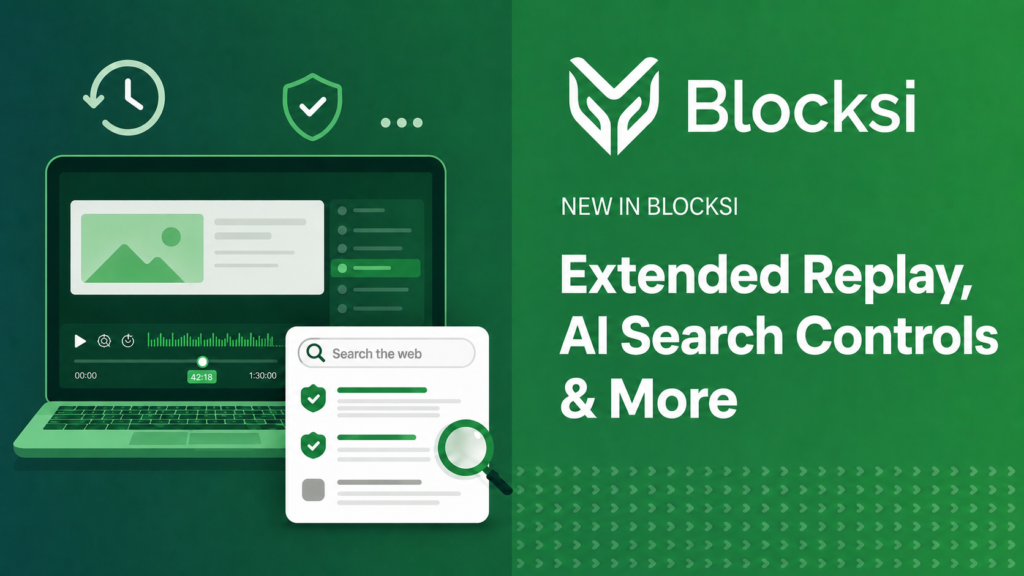
What’s New at Blocksi: Extended Replay, Google AI Controls, and More
Blocksi has shipped several updates recently — including a longer session replay window, Google AI search controls, improved student message notifications, and CSV export for Block and Allow Lists.
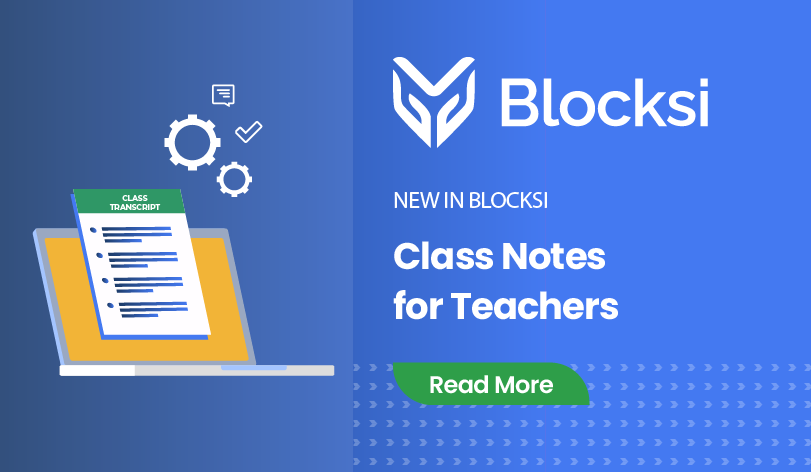
Class Notes: Automatic Lesson Notes for Teachers
Blocksi Class Notes lets K–12 teachers automatically capture lessons and receive secure, clean summaries with instant PDF delivery.

New Integration: Blocksi Now Supports 1EdTech OneRoster
Blocksi now supports the 1EdTech OneRoster standard, allowing schools to connect directly to their SIS and sync teachers, classes, and student rosters securely and efficiently.

AI Context-Aware Filtering — Advanced School Web Filtering
AI Context-Aware Filtering analyzes real-time page content, not just URLs or categories, to intelligently allow, warn, or block content based on what’s actually on the page.