


NEWS
What Makes a Great K–12 School Safety Tool in 2026?
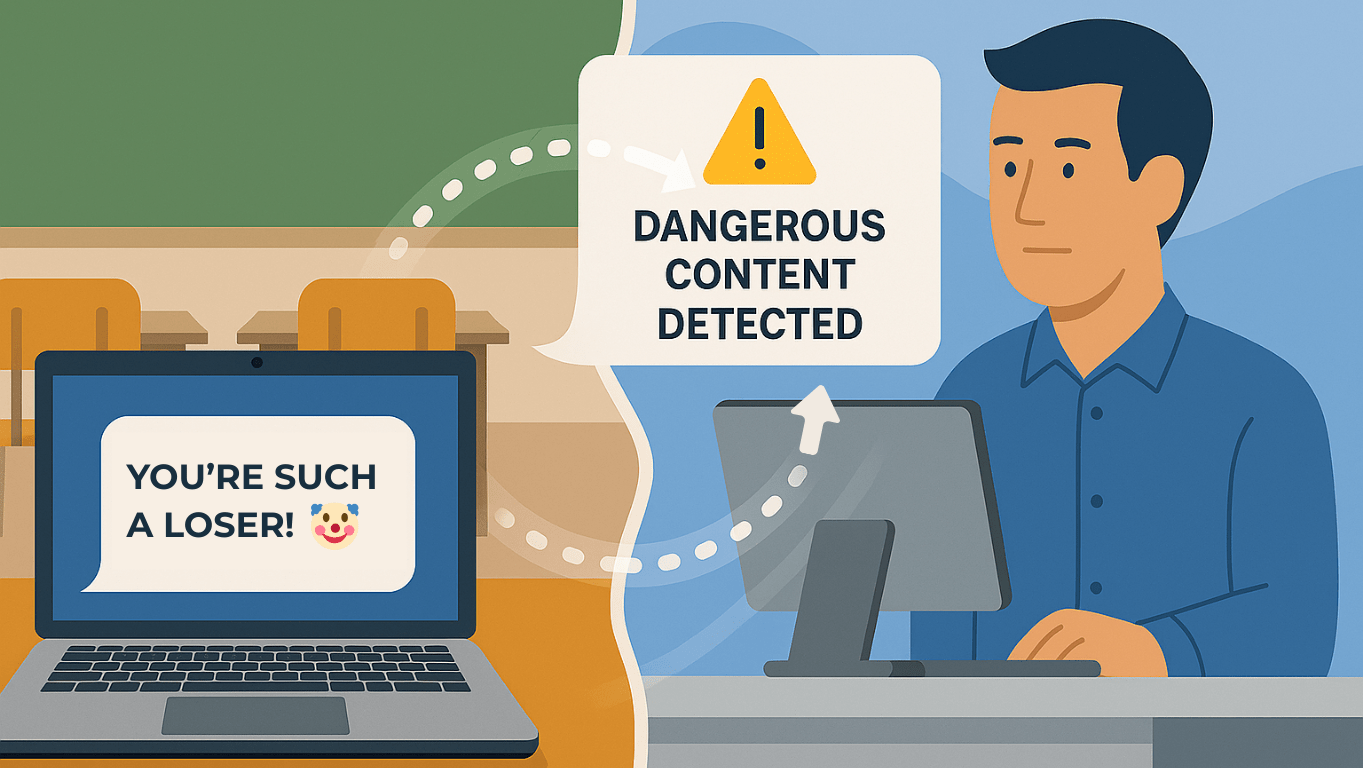
Keeping students safe online is no longer optional. For K–12 schools, the stakes are high: districts face growing concerns about bullying, self-harm, violence, and digital distress. The sheer volume of student activity across Chromebooks, Windows devices, and online platforms makes monitoring a constant challenge. A great school safety tool in 2026 isn’t just a nice-to-have; it’s a necessity.
So, what should decision-makers look for in the right solution? Let’s break it down.
Why Does Your District Need a School Safety Tool?
Every day, students generate thousands of digital signals: searching for answers on Google, chatting with friends in Docs or Teams, collaborating on group projects in shared documents, or posting comments in classroom forums. Hidden in this stream may be early signs of:
- Cyberbullying (students targeting peers online; approximately 11% of adolescents report being bullied at school)
- Mental health distress (searches about depression, self-harm, or suicide)
- Violence risk (threatening language or harmful intent)
A strong school safety tool helps you identify these risks quickly, giving your team the chance to intervene before problems escalate.
Real Examples from Districts
As one Michigan district safety supervisor explained: “The past year, our school district has used Blocksi to identify students facing mental health crises who were actively seeking help online but hesitant to reach out directly. Blocksi has allowed us to spot concerning patterns in students’ online behavior, enabling us to intervene early and offer support. By proactively connecting with these students, we’ve been able to provide the help they need before situations escalate.”
That’s the difference between monitoring for compliance and truly safeguarding student well-being. This National Suicide Prevention Month is another reminder of how important early detection and intervention are for protecting students.
What Federal Data Shows About Student Threats
A 2019 U.S. Secret Service analysis on targeted school violence underscored how bullying patterns and student behavior can serve as early warning signs that districts should not ignore:
- Most perpetrators were victims of bullying, often in persistent patterns lasting weeks, months, or years. Schools that prioritize reporting are better positioned to act before harm escalates.
- Half of the perpetrators had interests in violent topics. When students show a persistent preoccupation with violent themes, such as school shootings or extremist figures, schools should initiate further information-gathering and threat assessment. Addressing these warning signs early helps determine whether the interest is negatively impacting the student’s thinking and behavior.
While no tool can prevent every incident, having oversight into student well-being, bullying patterns, and potential threats gives districts the chance to act early and protect their communities.
What Makes a Great K-12 Safety Tool in 2026?
The best student safety solutions share a set of must-have qualities.
- Real-time K-12 threat detection: Delays matter when safety is on the line. A great tool monitors student activity in real time and flags concerning behavior immediately.
- Minimal false positives: Admins don’t have time to chase hundreds of irrelevant alerts. The best systems first run all potentially dangerous content through AI filters, then send anything flagged to human reviewers, and only after this layered process is a concern highlighted and escalated to administrators.
- Round–the-clock alerts (24/7/365): Crises don’t wait for school hours. The right solution provides alerts around the clock, with multi-layered review to validate flagged content.
- Clear, actionable reporting: Raw data isn’t enough. Reports should highlight patterns, trends, and potential risks, with escalation rules that notify the first contact, then automatically move to the next if no response is received within a set time.
- Built-in privacy: Student data privacy must remain a top priority. The tool should align with FERPA, CIPA, and COPPA while limiting unnecessary exposure of sensitive data.
- Scalable for large districts: Whether you manage 500 students or 50,000, the system should handle large volumes of data without slowing down or missing critical signals.
How Can School Safety Tools Help Identify Students at Risk?
Technology now gives schools the ability to see risks sooner. By scanning search terms, documents, and communication channels, safety tools can detect when a student:
- Repeatedly searches about suicide or self-harm.
- Posts threatening messages toward classmates or teachers.
- Shows patterns of isolation, bullying, or distress.
The goal isn’t to punish but to identify students on the path toward harm and provide the right support early. This is a practical example of how schools can detect threats online before they escalate into serious incidents.
Why Blocksi?
Blocksi is trusted by more than 12,000 schools across the U.S., Europe, Asia and beyond to balance protection with privacy. Districts choose it because:
- It combines AI-powered K–12 threat detection with optional human review.
- Alerts run 24/7/365, giving you peace of mind beyond school hours.
- Blocksi scans both Google and Microsoft environments.
- Reports give you a clear view of patterns and risks across students.
- Blocksi minimizes false positives so your staff can focus on what matters most.
Choosing Blocksi is more than adopting a tool. It’s a commitment to proactive student safety and early intervention.
FAQ: K-12 Student Safety Tools
What is a school safety tool?
A solution that monitors student online activity to identify risks like bullying, self-harm, or violence and alerts staff so they can intervene.
Can these tools detect threats in real time?
Yes. The best tools use real-time AI-powered detection with immediate alerts. Tools like Blocksi add human review, aiming for higher accuracy before escalating alerts to administrators.
How do student safety tools balance safety with privacy?
They scan for risk signals while following FERPA, CIPA, and COPPA guidelines. At the same time, these tools are designed to ensure that sensitive student data is only visible to authorized school staff and never shared unnecessarily.
How are alerts monitored outside school hours?
Because schools typically don’t staff teams around the clock, Blocksi provides 24/7 monitoring and escalation. This includes configurable escalation rules so districts can set when contacts receive alerts and automatically pass them to the next person if there’s no acknowledgment.
Can student safety tools like Blocksi scale for larger districts?
Yes. Blocksi is designed to support schools of all sizes. Whether a district has a few hundred students or tens of thousands, the platform scales reliably, maintains performance, and provides consistent safety monitoring across all devices.
Read on to find out more about why fewer false positives matter.
SOURCES
[1] One in six school-aged children experiences cyberbullying, finds new WHO/Europe study
[2] Protecting America’s Schools: A U.S. Secret Service Analysis Of Targeted School Violence
More to Explore
Follow Our Social Media Channels


